
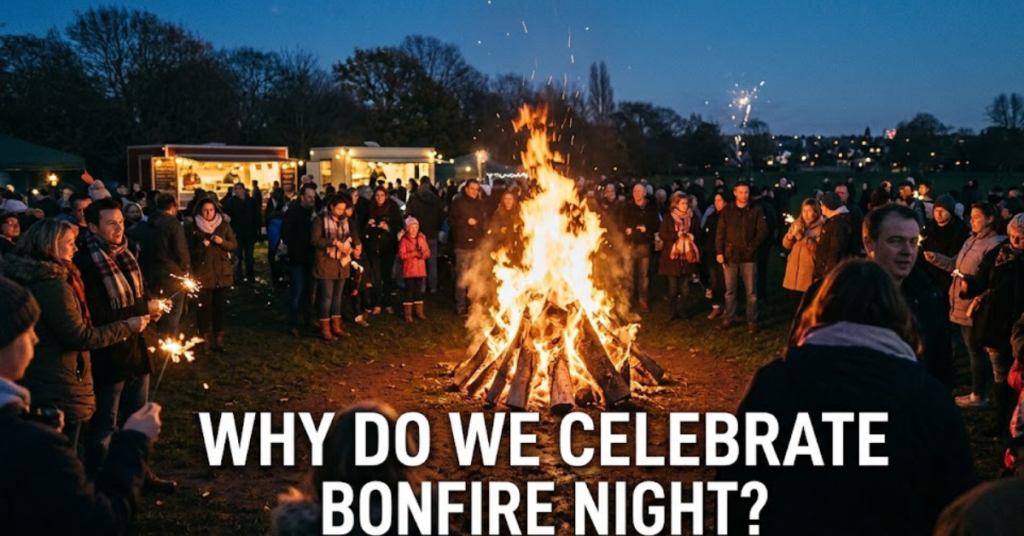

Every year on November 5th, skies across the United Kingdom light up with dazzling fireworks, crackling bonfires, and community celebrations. But have you ever stopped to wonder, why do we celebrate Bonfire Night?
For many people, Bonfire Night is a fun evening filled with fireworks, food, and family gatherings. However, the event has deep historical roots that date back more than 400 years. The celebration commemorates the failure of the infamous Gunpowder Plot of 1605, a conspiracy that aimed to destroy the English Parliament and assassinate King James I.
In this guide, we’ll explore the fascinating history behind Bonfire Night, how the tradition began, and why it continues to be celebrated today.
What Is Bonfire Night?
Bonfire Night, also known as Guy Fawkes Night or Fireworks Night, is an annual event celebrated on November 5th in the United Kingdom.
The occasion marks the discovery and prevention of the Gunpowder Plot, a failed attempt by a group of English Catholics to blow up the Houses of Parliament during the State Opening of Parliament in 1605.
Today, Bonfire Night is primarily celebrated with:
- Fireworks displays
- Bonfires
- Community festivals
- Traditional foods
- Family gatherings
While the modern celebration is festive, its origins are rooted in a dramatic chapter of British history.
The Gunpowder Plot: The Event That Started It All
To understand why do we celebrate Bonfire Night, it’s important to know the story behind the Gunpowder Plot.
Political and Religious Tensions
In the early 17th century, England experienced significant religious conflict. Many Catholics felt persecuted under Protestant rule and hoped that King James I would offer greater religious freedom after ascending the throne in 1603.
When these hopes were disappointed, a group of Catholic conspirators devised a radical plan.
The Plot
Led by Robert Catesby, the conspirators planned to:
- Place gunpowder beneath the House of Lords.
- Blow up Parliament during its opening ceremony.
- Kill King James I and key government leaders.
- Install a Catholic monarch on the throne.
The plotters secretly stored 36 barrels of gunpowder in a cellar beneath Parliament.
Guy Fawkes’ Role
One of the conspirators, Guy Fawkes, was tasked with guarding the gunpowder and igniting it when the time came.
However, an anonymous warning letter alerted authorities to the plan. During a search of Parliament on the night of November 4, 1605, Guy Fawkes was discovered guarding the explosives and was arrested before the plot could be carried out.
Why Is It Called Guy Fawkes Night?
Although Guy Fawkes was only one member of the conspiracy, he became the most famous figure associated with the event.
His dramatic arrest and subsequent trial captured public attention, and over time his name became synonymous with the failed plot.
As a result, Bonfire Night is often referred to as:
- Guy Fawkes Night
- Guy Fawkes Day
- Fireworks Night
The phrase many people learn as children is:
“Remember, remember, the Fifth of November.”
This famous rhyme helps keep the historical event alive in public memory.
How Did Bonfire Night Traditions Begin?
Following the failure of the Gunpowder Plot, the English Parliament passed legislation encouraging annual celebrations of thanksgiving.
People were encouraged to:
- Light bonfires
- Ring church bells
- Celebrate the king’s survival
These early celebrations evolved into the Bonfire Night traditions we recognize today.
Bonfires
Bonfires symbolized public relief that the plot had been prevented.
Communities gathered around large fires to celebrate the safety of the king and government.
Fireworks
Although fireworks were not part of the original celebrations, they became popular because they symbolized the explosives that never detonated.
Today, fireworks are often the centerpiece of Bonfire Night events.
Guy Fawkes Effigies
In many areas, people created stuffed figures known as “Guys” representing Guy Fawkes.
Historically, these effigies were displayed before being placed on bonfires, though this tradition has become less common in modern celebrations.
How Is Bonfire Night Celebrated Today?
Modern Bonfire Night celebrations focus more on community and entertainment than political or religious issues.
Common activities include:
Fireworks Displays
Public fireworks shows attract thousands of spectators each year.
Professional displays often feature synchronized music and elaborate visual effects.
Community Bonfires
Many towns host organized bonfire events where residents gather to enjoy the festivities.
Traditional Foods
Popular Bonfire Night foods include:
- Toffee apples
- Parkin cake
- Bonfire toffee
- Baked potatoes
- Hot chocolate and mulled drinks
Family Gatherings
For many people, Bonfire Night has become a family tradition similar to other seasonal celebrations.
Why Is Bonfire Night Still Important?
Some people wonder why an event from 1605 is still commemorated today.
Bonfire Night remains significant because it:
- Preserves an important historical event
- Encourages community participation
- Celebrates cultural traditions
- Provides educational opportunities about British history
While modern celebrations focus largely on entertainment, the historical story remains central to the occasion.
Interesting Facts About Bonfire Night
Here are a few fascinating facts:
- The Gunpowder Plot involved 13 conspirators.
- Guy Fawkes was discovered with 36 barrels of gunpowder.
- November 5 celebrations have continued for over 400 years.
- Guy Fawkes masks became internationally recognized through popular culture.
- Bonfire Night is one of the UK’s largest annual public celebrations.
Common Misconceptions About Bonfire Night
It Celebrates Guy Fawkes
Not exactly.
The original celebration commemorated the failure of the plot, not Guy Fawkes himself.
Fireworks Were Always Part of the Event
Fireworks became popular later and were not part of the earliest celebrations.
It Is Celebrated Worldwide
While known internationally, Bonfire Night is primarily celebrated in the United Kingdom and a few former British territories.
FAQs
Why do we celebrate Bonfire Night?
Bonfire Night commemorates the failure of the Gunpowder Plot of 1605, which aimed to blow up Parliament and assassinate King James I.
Who was Guy Fawkes?
Guy Fawkes was one of the conspirators involved in the Gunpowder Plot and was caught guarding barrels of gunpowder beneath Parliament.
Why is Bonfire Night on November 5th?
The plot was discovered during the night of November 4–5, 1605, leading to annual celebrations on November 5.
What is the difference between Bonfire Night and Guy Fawkes Night?
They are different names for the same celebration.
Why are fireworks used on Bonfire Night?
Fireworks symbolize the gunpowder that was intended to destroy Parliament but never exploded.
Is Bonfire Night a public holiday?
No, Bonfire Night is widely celebrated but is not an official public holiday in the United Kingdom.
Conclusion
So, why do we celebrate Bonfire Night? The answer lies in one of the most dramatic events in British history—the failure of the Gunpowder Plot in 1605. What began as a thanksgiving celebration for the survival of King James I evolved into a beloved national tradition filled with fireworks, bonfires, and community gatherings.
Today, Bonfire Night serves as both a reminder of the past and an opportunity for people to come together and celebrate. Whether you’re enjoying a fireworks display, learning about the Gunpowder Plot, or sharing traditional treats with family, you’re participating in a tradition that has endured for more than four centuries.